Importing into the European Union is a strictly regulated process, and any mistake in the documentation can lead to shipment delays, additional costs, or even penalties. In this article, we explain how import customs clearance in the EU works, which documents are required, and why a professional customs broker is essential for B2B businesses.
- What import customs clearance in the EU is
Import customs clearance is the process by which goods are officially brought into the European Union and become subject to customs procedures, duties, taxes, and regulatory requirements. Without proper customs clearance, goods cannot be released for free circulation on the EU market. - Key documents in the import process
• Commercial invoice
• Packing list
• Transport document (CMR, AWB, BL)
• Customs declaration
• T1 transit document (if applicable)
Incomplete or inaccurate documentation is the most common reason why shipments get stuck in customs. - Customs duties and VAT
When importing goods, the following are calculated:
• Customs duty (depends on the tariff code)
• Import VAT
• Additional charges (if applicable)
Correct tariff classification can significantly affect the final cost. - Why work with a customs broker
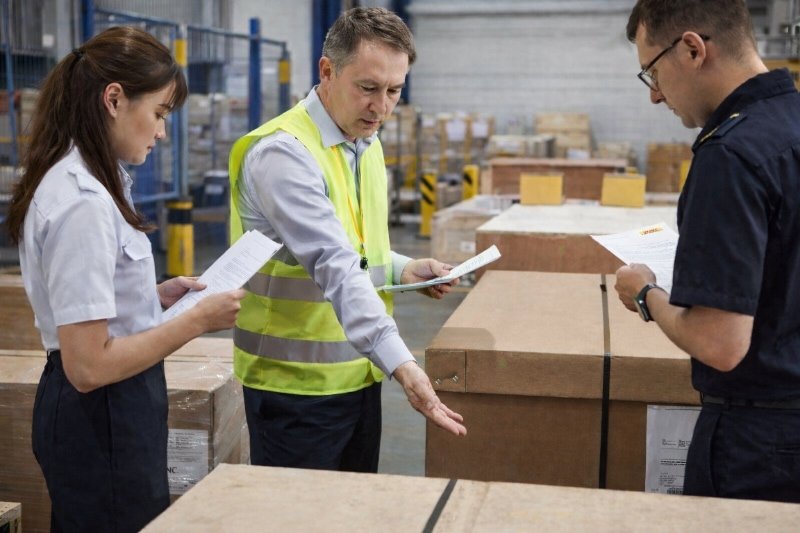
A licensed customs broker:
• ensures compliance with EU regulations
• reduces risks and delays
• represents the company before customs authorities
Conclusion
Import customs clearance in the EU is not just a formality — it is a critical part of the supply chain. The right partner ensures that goods enter the EU market safely, quickly, and in a cost-effective manner.